08.13.09

bemis.jpg

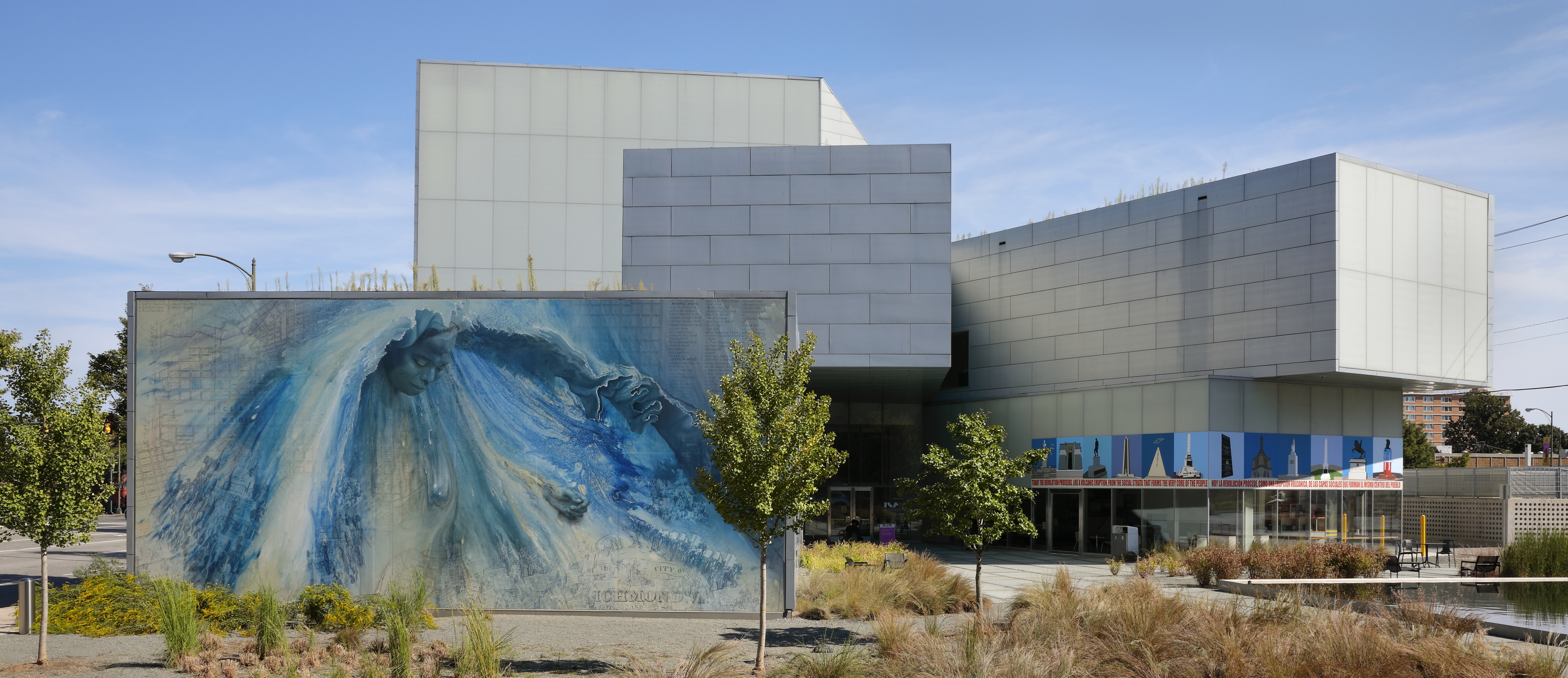
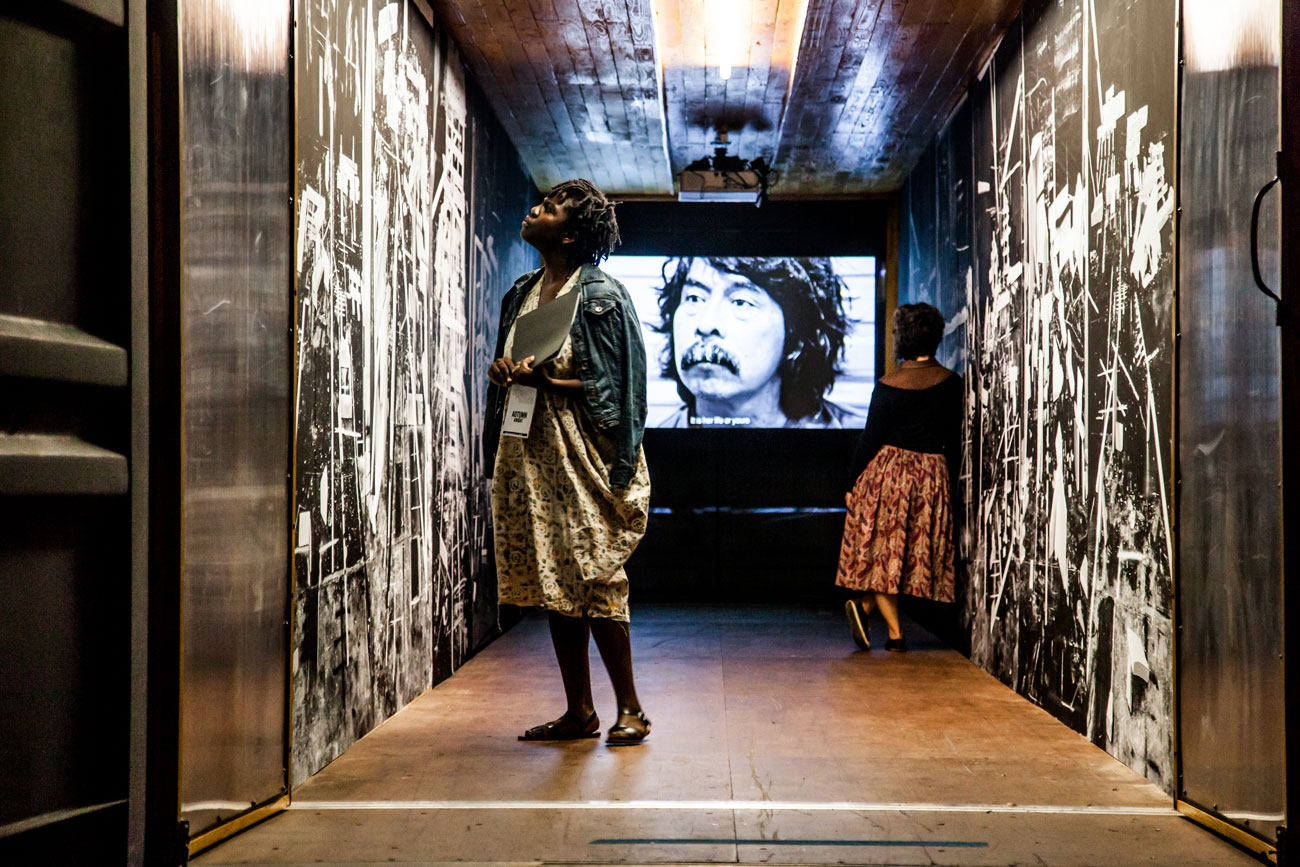
Wrapping up a 3 month residency at the Bemis Art Center in Omaha. New drawings and video are posted.

05.10.09

lawndale6.jpg

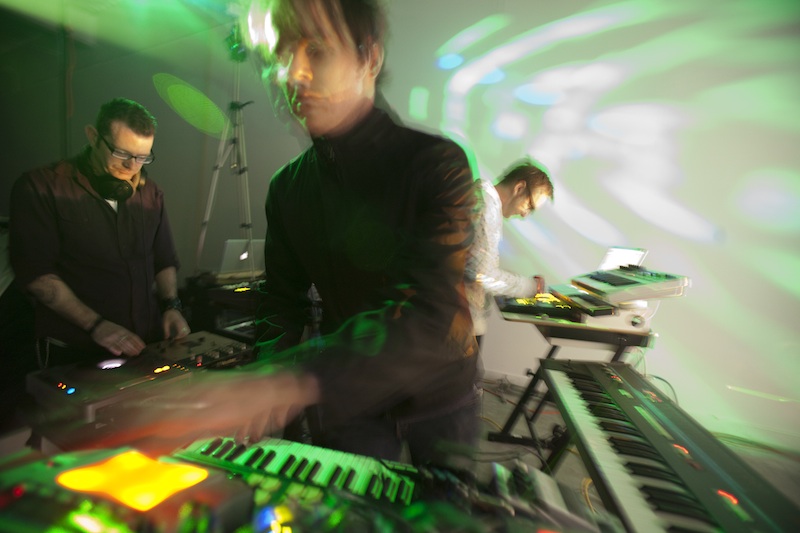
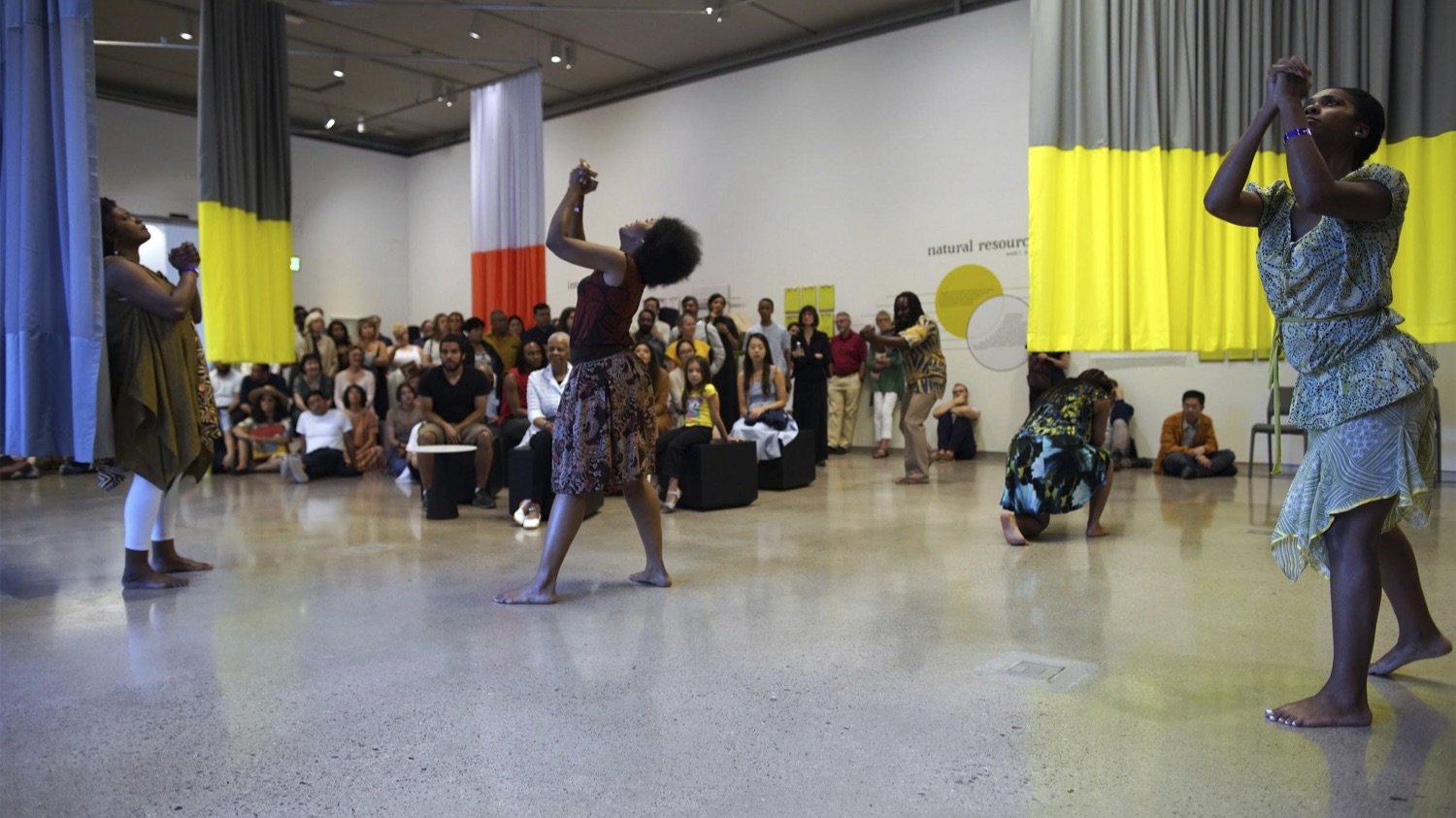
Out of Site just opened at The Lawndale Art Center in Houston. It included 3 large drawings and a text piece. There was a also a performance that I organized including  Kurt Mueller, Grant MacMannus, and Zach Gresham on the opening night. It runs from May 8 - June 13, 2009

12.03.07

Artlies #56 - Collectivism and Collaboration

guest editors: Noah Simblist and Michelle White

artlies-cover56.jpg

12.03.07

Check out this site for a complete overview of Collecting and Collectivity

basekamp1.jpg

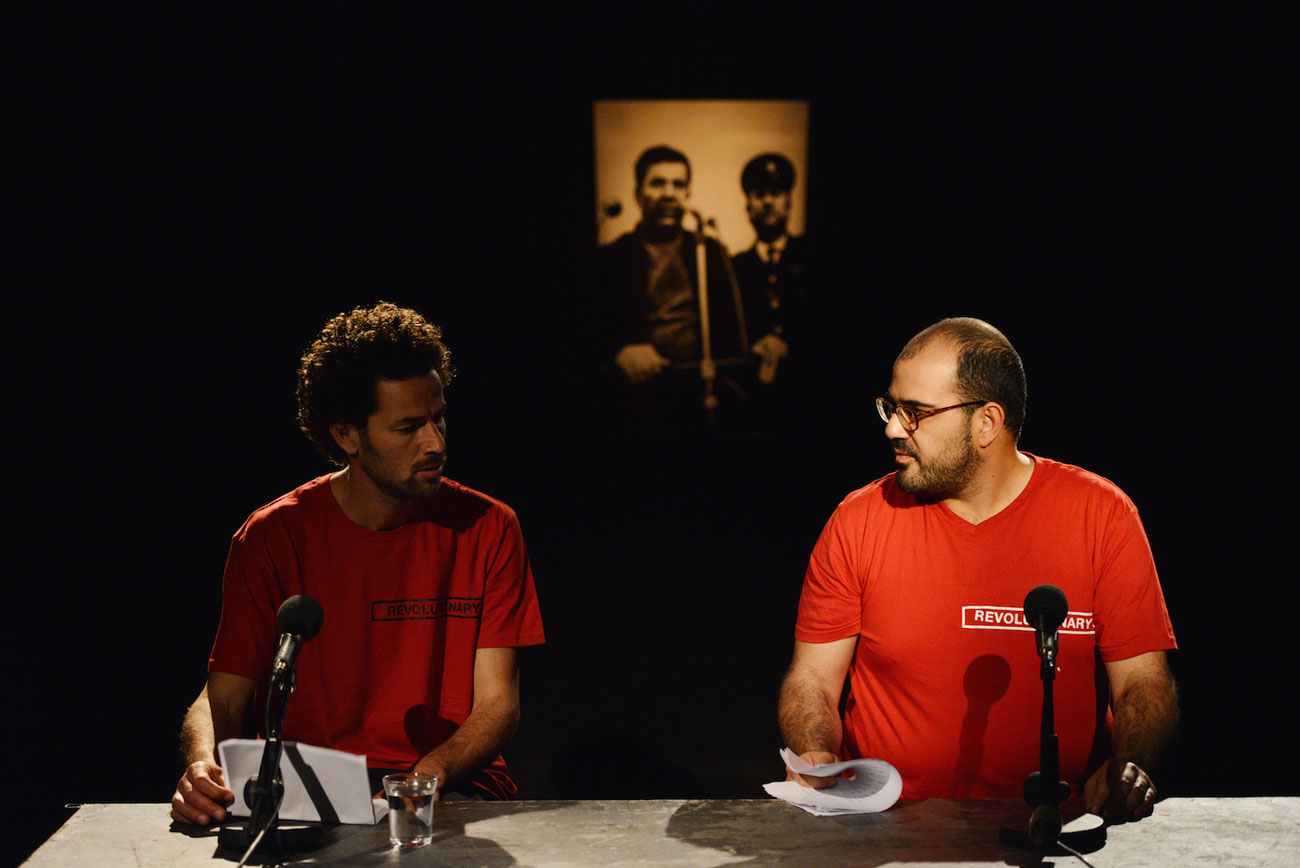
Collecting & Collectivity is a series of events organized by Professors Noah Simblist [SMU] and Charissa Terranova [UTD] to investigate the unique qualities and circumstances of the contemporary avant-garde. Upon first blush, the two words seem quite at odds. From art to memorabilia, “collecting” is rooted in the free market. People collect art for investment purposes or because of desire coupled with disposable income. By contrast, “collectivity” is community formed on the basis of shared ideology. Historically, it has been rooted in socialist and communist political movements. The historical avant-garde in the early twentieth-century was marked by the formation of a series of artistically and ideologically driven groupuscules – de Stijl, Constructivism, dada, Surrealism, et. al. Though each group bore a unique set of formal concerns within their art, all criticized capitalism and pledged allegiance to class revolution. In general, the historical avant-garde viewed “art” as praxis – making in the name of the social transformation of everyday life.

Most artists who make cutting-edge art today are complicit, to use a word of Johanna Drucker’s. They knowingly make art that goes with the market: their art bears no form of “resistance” to capitalism. Success means high value in the market and celebrity in a global network of art. In spite, sometimes because of, the triadic collusion between artist, artwork, and the market, art communities of varying scales and types continue to take form through published discourse, the university, galleries, museums, and an international circuit of biennials and art fairs.

The question begs: Do these communities qualify as “collectivities”? Do they show to us a new paradigm of “collectivity” in the twenty-first century? The events of Collecting & Collectivity seek to answer these questions.

Four primary events constitute the year-long program of Collecting & Collectivity: a seminar and symposium in fall 2007 and an exhibition and panel at CAA in the spring 2008. There will also be lectures by Johanna Drucker, Julie Ault, Walid Raad, and Sabrina Gschwandtner.

05.10.07

I just found out that I received this year’s Moss Chumley Award, given out by the Meadows Museum.

03.02.07

I am in a group show in Dallas with 9 video artists
The Dallas Contemporary

Reality Bytes

Feb 23-May 19

for a link click here

03.02.07

Utopian Semblances in the work of Noah Simblist
by Charissa N. Terranova
February 2007

The events of 9-11 made Americans aware of their alien status in the world. We are foreigners in a world of foreigners and we are strangers to ourselves. In keeping with such personal disaffection, the professor-artist-writer Noah Simblist makes art that propels the viewer into a gridlock of political debate and self-questioning.

I remember being in Vancouver as part of a teaching gig during that time. I was slightly inebriated at a party the weekend following the ugly event, but I meant it when I told a skeptical Canadian, “The American way is the Jewish way, and vice versa.” At the time, my comments were driven by a profound sense of solidarity with Israel, not to mention a longstanding titillation with Jewish men. Two wars and many American miscalculations later, I hold steady to my position. The American way is the Jewish way, yes, pragmatically speaking, because the state of Israel is a reality with a century of history and because it is a democracy. Also, the American way is the Jewish way because Israel, like America, engages in preemptive pugilism. As a Palestinian voice in Simblist’s soundwork Homeland says, “We didn’t commit the Holocaust, so why have they taken vengeance on us?” A better, if not tit-for-tat, logic would’ve had a post-WWII Israel appropriating land from the Bavarians. Israel’s logic of taking territory in the Middle East when the Holocaust occurred in Germany and Poland is not unlike America’s rationale for war in Iraq. Waging war with Iraq in response to 9-11, when none of the terrorists who took down the Twin Towers were Iraqi, serves only to fortify a different kind of logic — the logic of anarchic outcomes.

Simblist works in the claustrophobic yet tumultuous interstices of this political mayhem: a reformed Jew in Christian America, a vibrant young conceptual artist teaching in an art department of old-school traditionalists at SMU and an artist-citizen engaging the world by probing its core political wound. This is his identity. As homo faber, he is a painter pushing and prodding the medium to a new state of limberness. Simblist sees the moving images, sounds and painted walls in his work as part of painting’s collective bag. His work is an infusion bearing the apotheosis of painting as a full-body, full-mind experience. In similarly stretchy fashion, Simblist moves beyond the tiresome dyads that once stifled painting, beyond the antinomies of figural vs. abstraction and politically engaged vs. autonomous. One might deduce that Simblist avoids all categories, but there’s one he just cannot escape: utopian. He’s a utopian thinker not so much in denial as in pursuit of a utopian vision that is more just, available and restless in its dialectic.

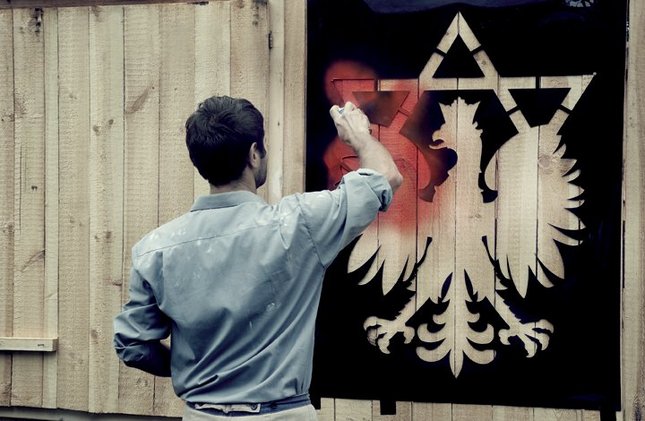
He makes his restless utopianism legible in a host of powerful symbols: the cube, the Star of David and the cross. By integrating such readily identifiable signs into a field of monochromatic vertical stripes, Simblist destabilizes these universal icons, leveling them to a ground of almost arbitrary semiosis. In his own words, “Any universal idea is bound to be infected by the ideology of those in power.” Exhibited in a show curated by Vance Wingate at Dallas’ And/Or gallery, a series of simple, roughhewn drawings hint at Simblist’s talent for mediating symbols. In graphite and yellow gouache, A Tower of Babel Made from Cubic Kaaba Modules Falls from the Weight of Yellow Stars (2006) shows Simblist negotiating age-old signs of Judaism, Christianity and Islam. It is a simple rendering that at first brings to mind the neo-geo abstraction of Peter Halley. Upon closer scrutiny, Simblist’s geometric abstraction gives way to loaded symbolism with highly specific meaning.

In choosing to render abstraction by way of cubes, Stars of David and crosses, Simblist has made the work very precise, a rumination on the conundrum of belief and the socio-mental burden of religion. Seemingly only so many golden arches of religious iconography, they are incisive and heated signs, at once love- and hate-mongering beacons. The cube is perfect Platonic form. It has been the preoccupation of artists from Robert Ryman to Sol Lewitt. It is also the shape of the Kaaba in Mecca, the holiest place in Islam. The six-pointed star is a sign of Jewish cohesion. Ancient Romans, Christians and Nazis rendered it in yellow with the intention of shrouding Judaism in shame. Ancient Romans used crucifixion as a means of execution. Today the cross is the sign of belief and salvation for Christians. And the vertical stripes of Simblist’s work nimbly play between the one-thing-after-another of minimalism, the conceptualist high jinks of Daniel Buren and the patterned pajamas worn by Jews in Nazi concentration camps. In laying bare the homology of high-art repetition (Donald Judd and Buren) and the coding of genocide (striped pajamas), Simblist has made old arguments of autonomy seem like philosophie dans le boudoir — out of touch and pointless. His use of loaded icons to constitute a field of abstraction upends the hoary idea that abstraction is a prism for disinterested spirituality. While negotiating spirituality through abstraction, he nevertheless comes down on the side of materialism, showing us that spirit and soul are always about our sensual embodiment and being in the world.

Simblist’s talents for destabilizing the viewer’s comfortable familiarity with traditional religious iconography are most poignantly felt in his multimedia work. The centerpiece of Al Nakba (2006), an Arabic term for “catastrophe,” is a single-channel video in which Simblist combined painting and moving images — renderings of religious symbols on stripes are interspersed with footage of the Holocaust, Palestinian military marches and news clips of violent skirmishes between the Israelis and the Palestinians. Simblist installed the video with his paintings atop a wall of meticulously painted stripes in New, Newer, Newest, an exhibition at the Pollock Gallery of work by new faculty members in the division of art at SMU. Simblist’s video-painting verges on a full-fledged environment. The more Simblist goes in the direction of transforming painting into an enveloping polysensual experience, the more powerful his work becomes. A case in point is his installation of Homeland in the New Works Space at the McKinney Avenue Contemporary in Dallas. A monitor shows a short loop of anti-Semitic clips, most of which come from the early twentieth century. Simblist has transferred the stripes of concentration camp uniforms to the wall behind the monitor, creating a minimalist-cum-genocidal interior decoration. Making headsets unnecessary, the sounds of voices emanate in a barely audible hum from the monitor. Across the small room are two headsets with CD player with different tracks to listen to and stacks of texts written by Simblist. He has transformed the New Works Space into a somber laboratory for political rumination. Simblist’s message is that hard-held memories have now become the Zionist homeland. Visitors walk away with a lesson on both the power of memory and the somewhat untapped agency of healthy forgetting.

Above all else — beyond being a professor of art at SMU, a young Jew in Christian America and a painter — Simblist is a citizen of the world. He is a utopian in search of a better, less totalizing (yet extensive) vision of what the late philosopher Jacques Derrida called international friendship.

Charissa N. Terranova is an Associate Proffessor at SMU and a Contributing Editor to Glasstire.

For a link to the original click here

02.03.07

North Texas Talents Offer up “Real Art”

by Titus O’Brien

published in Fort Worth Star Telegram on Jan 21, 2007

I ran into artist Noah Simblist as he put the finishing touches on his installation “Home-Land” at the McKinney Avenue Contemporary. After complimenting him on the depth, rigor, and beauty of the work, I added “Plus, it looks like real art.” Flippant maybe, but honest. I had the same reaction a bit later, just up the street at Brian Fridge’s latest solo effort at Dunn & Brown; this satisfying, if somewhat nebulous, sense that I was witnessing the products of good artists who are playing for keeps. Professionals.

Gallery hopping, this is not so routine as you’d think. People make art for a lot of reasons, with varying levels of capability. We are luckier than we often realize to have the number of solid artists we have here, at various stages of career. I’m telling you, something’s happening in North Texas, a scene vigorous enough that if there were stock to buy, I’d be quietly snatching it up (I guess there is – the art; though I’d hate to just join the speculators. Not that Texas suffers much yet from that dilemma.)

Proofs du jour, messrs Simblist and Fridge, both thirty-something, have notable resumes, and are solidly engaged in signature pursuits. A professor at SMU, the former stakes his claim at the intersection of modernist formalism and poetic geo-political agitprop; think a kinder, gentler Hans Haacke. The sheer beauty of his work belies its difficult conceptual scaffolding. This is his métier: using the seductive façade of good design to generate fascinating questions about the deeper resonance of symbols we become inured to in our daily lives, and how they reflect complex historical realities.
Fridge occupies far more ambiguous territories, but with equal designerly aplomb. He has an obvious fondness for Arte Povera and process-oriented conceptualists, and his work finds the dreamily poetic in the mundanely concrete. Labeled differently, some of his products could stand in for chemistry or math experiments. Frozen ice crystals floating in a dark refrigerator, surreal anthropomorphic fractals in the knotted surface of an osage orange, the mesmerizing drift of a few lazy dots on an orange field. These errant moments of disjuncture act like the mind coasting in those moments when the ego’s clutch is pushed in. The possibility for humorously beat, but no less cosmic insight into reality’s true nature (at many levels) is the real opportunity provided by Fridge’s broke-down science lab aesthetic.

01.15.07

I have a show up at the MAC Project Space. It runs from Jan 13- Feb 23.
For hours, address and directions, go to www.the-mac.org